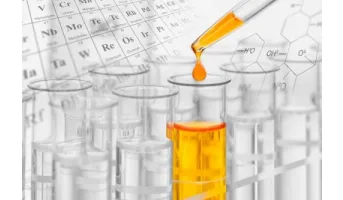
The Department of Chemical Engineering at Stellenbosch University has developed a novel solvent-based process for extracting cannabinoids directly from plant-wax waste streams generated during industrial processing. The method uses a simple but effective combination of two immiscible solvents, one
ImmerseCell is a virtual reality experience (VLE) to teach undergraduate and postgraduate students about key cellular structures with an interactive, narrated, guided experience (Figure 1, Figure 2). The team utilised real-world microscopy data of various key cellular structures in the mammalian
This technology makes it possible to grow tiny, three-dimensional (3D) pieces of human heart tissue, called cardiac spheroids. It models the functions of a real heart and recreates key features of cardiometabolic disease such as insulin resistance and high fat levels. What makes this technology a
Researchers at Stellenbosch University have developed a proprietary buffer that enables a high-temperature (50°C) IVT process, solving a key industry challenge. Unlike standard buffers that suffer a ~40% yield loss at high temperature, this formulation maintains ~93% RNA yield with standard enzyme
A biological solution using yeast strains which naturally remove chitinase enzymes responsible for haze formation. Adding these yeast cells to wine or grape must results in a crystal-clear product without the need for bentonite or synthetic additives.
Many filtration systems overlook a major issue for oxygen-sensitive liquids like wine: oxidation during transfer and filtration. Even small amounts of oxygen can degrade quality. This apparatus provides a closed, inert-gas-pressurized filtration system that keeps wine fully protected from oxygen
A cadaver dissection table that consists of a long tray designed to hold a cadaver. The tray has openings for fluid drainage and an angled section at one end. The table also has ventilation holes angled toward the flat part of the tray where the cadaver rests. Below the tray is a long bath, and
Advances in diagnostic technologies have expanded the use of saliva as a valuable testing medium. Saliva collection is simple, non-invasive, and avoids many of the challenges associated with blood or sputum sampling, making it highly suitable for point-of-care and community-based screening. As part
This technology introduces a diagnostic method and kit that detects inflammatory diseases by measuring fibrin amyloid microclots (FAM) and Neutrophil Extracellular Traps (NETs) found in patient blood. These two components often bind together to form microclot-associated NETs (MiNETs), which are