

SDG Intro

Goal 15: Life on land
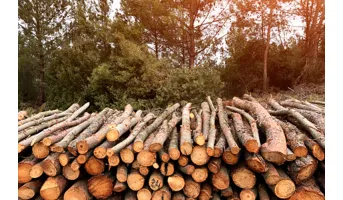
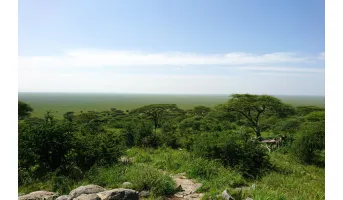
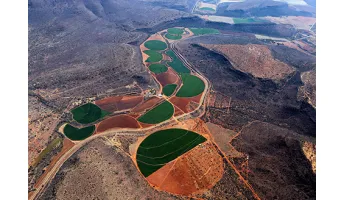
Sustainably manage forests, combat desertification, halt and reverse land degradation, halt biodiversity loss

Protection of forest and terrestrial ecosystems is on the rise, and forest loss has slowed. That said, other facets of terrestrial conservation continue to demand accelerated action to protect biodiversity, land productivity and genetic resources and to curtail the loss of species.
SDG Stories

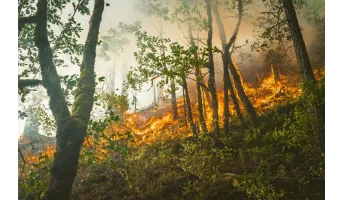
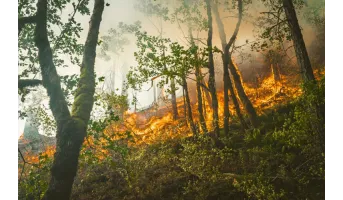
The Fire Information for Resource Management System (FIRMS) of the National Aeronautics and Space Administration (NASA) uses satellite observations to detect active fires and thermal anomalies. They deliver this information to decision makers in near real-time (within 3 hours of satellite...

READ MORE

The CO2 fixed by photosynthesis is one of the most important components of the carbon cycle. Forests play a key role in this process. They represent large and persistent carbon sinks. Tree carbon stocks are important to quantify terrestrial carbon storage and carbon sinks, and to estimate potential...

READ MORE

Roots are a long term and stable carbon sink, accounting for about 0.4 of the above ground biomass across biogeographical regions. Well established and developed root systems provide various ecosystem services related to improved soil quality (higher cation exchange capacity and nutrient turnaround)...

READ MORE

Whether you’re monitoring crops, modelling green energy installations or soil sealing, combatting loss of natural resources or just helping countries meet their Sustainable Development Goals, chances are high that you’ll need an accurate and spatially detailed map on land cover and land use. Earth...

READ MORE

Crop conditions monitoring is highly relevant for food security early warning and response planning in food insecure areas of the world. GEOGLAM is the Group on Earth Observations' Global Agricultural Monitoring Initiative. Its main objective is to reinforce the international community's capacity to...

READ MORE

In most people's mind, soil would not figure highly in a list of the natural resources of Africa. However, healthy and fertile soils are the cornerstones of food security, key environmental services, social cohesion and the economies of most African countries. Unfortunately, soil in Africa tends to...

READ MORE

The erosive force of rainfall (rainfall erosivity) is a major driver of soil, nutrient losses worldwide and an important input for soil erosion assessments models. This map shows the geographical distribution of erosivity changes for RCP8.5 for the period 2050–2070.

READ MORE

This indicator assesses the potential threat of wildfires due to fire weather intensity. Wildfires impose significant risks to human lives and economic activities. In extreme fire weather events, strong winds and wind-born debris may even weaken the integrity of infrastructure. Climate change may...

READ MORE

Ecosystem condition indicates whether the natural environment is intact and connected. Poor ecosystem condition can result in businesses having restricted access in the long-term to the quantity and quality of resources and enablers needed for their activities as well as other ecosystem services...

READ MORE

This indicator assesses the threat of extreme heat during a 5-year return period. Extreme heat has an obvious impact on human health, but it is also relevant to a wide array of economic activities and industries, including the built environment. With climate change, the frequency and the intensity...

READ MORE

This indicator assesses whether there is enough natural habitat surrounding cropland to support natural pollination. Up to two-thirds of all crops require some degree of animal pollination to reach their maximum yields, and natural habitat around farmlands can support healthy populations of wild...

READ MORE

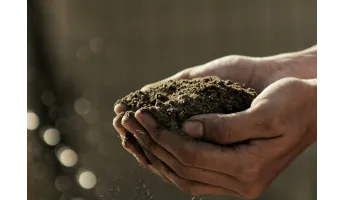
Soil condition indicates whether soil can perform basic functions to benefit human use and ecosystems alike. This indicator is based on soil organic carbon (SOC) content. SOC is the main component of soil organic matter and is a prerequisite for soil functions and food production, mitigation and...

READ MORE