The North-West University (NWU) has developed and patented a method for producing hydrogen via hydrolysis, using an activated aluminium compound. Technology Benefits: Aluminum also can be recycled after the hydrogen production process. Hydrogen can be produced under high pressure. By-products are
The CSIR has established a bioconversion platform that focuses on alternative pathways for chemical production. The platform is geared towards local production and replacing imports of bio-based platform chemicals, including lactic acid. This shift will have a direct impact on the bioeconomy. The
2

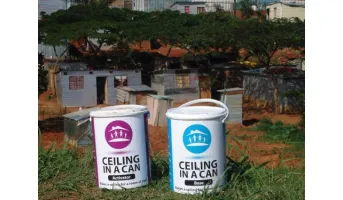
CEILING IN A CAN (CiC) is a patented innovation that aims to create better-living conditions for indigent people by providing an instant ceiling. This fresh technology originating from MUT involves two 5 litre cans containing different polymers. By spreading newspaper on the floor and mixing the two


3
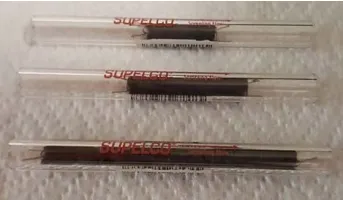
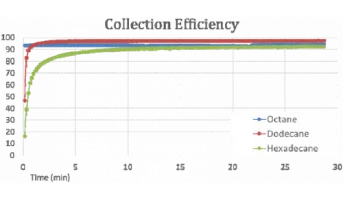
Air quality is a concern worldwide. Consequently, efficient means to monitor air pollutants are critical. Current commercially available carbon-based sorbents used for sampling volatile organic compounds (VOCs) in air typically require solvent extraction prior to analysis, and they cannot be reused
Prosopis Glandulosa commonly referred to as Honey Mesquite, has been discovered to strengthen skeletal muscle and boost healing of contused skeletal muscle. The plant is easy and cheap to cultivate. Harvesting of the plant will not deplete any natural resources. Tests on rat models scientifically
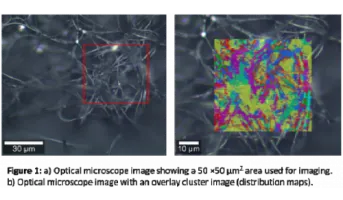
With our society facing challenges related to sustainability i.e. resource depletion and waste accumulation, the future success of the chemical and polymer industries relies on the use of renewable feedstocks. Lignin, one of the main components of non-edible lignocellulosic biomass shows great
Toxi Trail™ is an educational board game developed at Stellenbosch University to strengthen toxicology knowledge and clinical reasoning among healthcare professionals. Building on earlier game-based learning tools, the design incorporates realistic toxicology scenarios, variable difficulty levels
This technology introduces a new class of zwitterionic polymers designed to gently break apart lipid bilayers and form stable lipid nanodiscs. These nanodiscs can capture and isolate membrane proteins in an environment that closely mimics their natural state. At the core of the invention is a
The Department of Chemical Engineering at Stellenbosch University has developed a novel solvent-based process for extracting cannabinoids directly from plant-wax waste streams generated during industrial processing. The method uses a simple but effective combination of two immiscible solvents, one
This technology makes it possible to grow tiny, three-dimensional (3D) pieces of human heart tissue, called cardiac spheroids. It models the functions of a real heart and recreates key features of cardiometabolic disease such as insulin resistance and high fat levels. What makes this technology a
Researchers at Stellenbosch University have developed a proprietary buffer that enables a high-temperature (50°C) IVT process, solving a key industry challenge. Unlike standard buffers that suffer a ~40% yield loss at high temperature, this formulation maintains ~93% RNA yield with standard enzyme
This technology introduces a diagnostic method and kit that detects inflammatory diseases by measuring fibrin amyloid microclots (FAM) and Neutrophil Extracellular Traps (NETs) found in patient blood. These two components often bind together to form microclot-associated NETs (MiNETs), which are