

SDG Intro

Goal 14: Life below water
Conserve and sustainably use the oceans, seas and marine resources

Advancing the sustainable use and conservation of the oceans continues to require effective strategies and management to combat the adverse effects of overfishing, growing ocean acidification and worsening coastal eutrophication. The expansion of protected areas for marine biodiversity, intensification of research capacity and increases in ocean science funding remain critically important to preserve marine resources.
SDG Stories

Chlorophyll-a concentrations (Chla) are an indicator of phytoplankton abundance and biomass in open waters. They can be an effective measure of trophic status and are commonly used to measure water quality. This layer compares the Chla value from the last full month with the long-term mean Chla. A...

READ MORE

This indicator refers to the stock status of marine fish. As the largest traded food commodity in the world, seafood provides sustenance to billions of people worldwide. More than 85% of the world's fisheries have been pushed to or beyond their biological limits. Overfishing occurs in areas that...

READ MORE

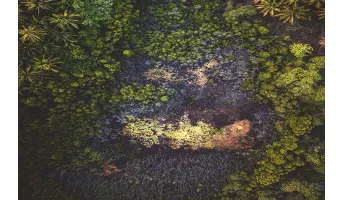
This indicator measures forest canopy loss. Land- and sea-use change is the major human influence on habitats. Habitat loss is one of the biggest threats to biodiversity and is the number one reason species go extinct. Around half of the world's original forests have disappeared, and they are still...

READ MORE

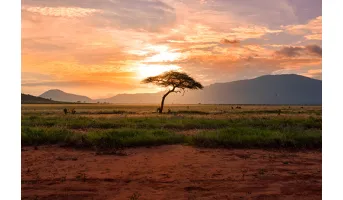
This indicator measures the availability of natural and cultural resources. Some industries, such as tourism, real estate and education, can depend highly on the presence of touristic valuable land or seascapes or specific sites. Tourism is an engine for jobs and investment. The degradation or loss...

READ MORE

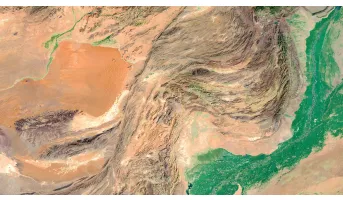
Water scarcity refers to the physical abundance or lack of freshwater resources. It can significantly impact business such as production/supply chain disruption, higher operating costs, and growth constraints. Water scarcity is human-driven, and can be aggravated by natural conditions (e.g., aridity...

READ MORE

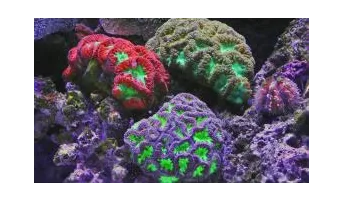
This dataset shows the global distribution of coral reefs in tropical and subtropical regions. It is the most comprehensive global dataset of warm-water coral reefs to date, acting as a foundation baseline map for future, more detailed, work. This dataset was compiled from a number of sources by...

READ MORE

This indicator is based on nutrient, pesticide and air pollution. Pollution is an important driver of biodiversity and ecosystem change throughout all biomes. While terrestrial ecosystems have been affected by nitrogen-phosphorous fertilisers, these have had a far more pernicious effect on the...

READ MORE

This indicator measures cropland expansion, river fragmentation and pressures on marine environments through shipping and direct human impact. Land- and sea-use change is the major human influence on habitats. Habitat loss is one of the biggest threats to biodiversity and is the number one reason...

READ MORE