The North-West University (NWU) has developed and patented a method for producing hydrogen via hydrolysis, using an activated aluminium compound. Technology Benefits: Aluminum also can be recycled after the hydrogen production process. Hydrogen can be produced under high pressure. By-products are
The CSIR has established a bioconversion platform that focuses on alternative pathways for chemical production. The platform is geared towards local production and replacing imports of bio-based platform chemicals, including lactic acid. This shift will have a direct impact on the bioeconomy. The
2

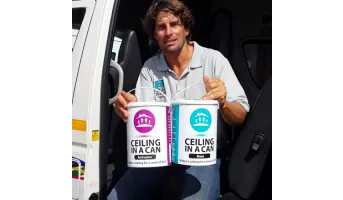
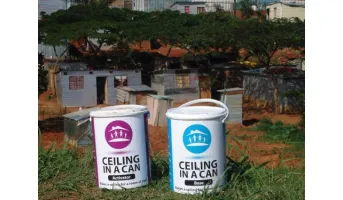
CEILING IN A CAN (CiC) is a patented innovation that aims to create better-living conditions for indigent people by providing an instant ceiling. This fresh technology originating from MUT involves two 5 litre cans containing different polymers. By spreading newspaper on the floor and mixing the two


3
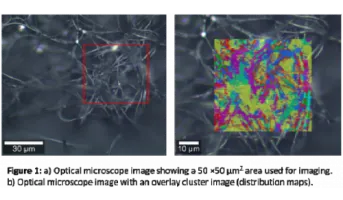
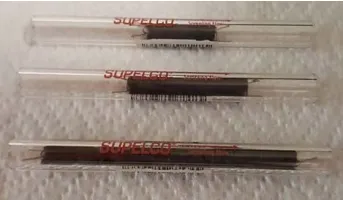
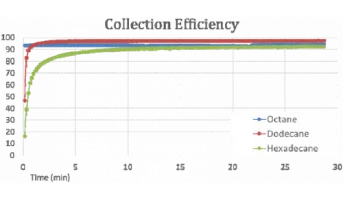
Air quality is a concern worldwide. Consequently, efficient means to monitor air pollutants are critical. Current commercially available carbon-based sorbents used for sampling volatile organic compounds (VOCs) in air typically require solvent extraction prior to analysis, and they cannot be reused
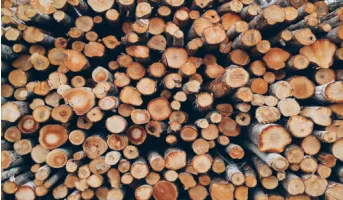
With our society facing challenges related to sustainability i.e. resource depletion and waste accumulation, the future success of the chemical and polymer industries relies on the use of renewable feedstocks. Lignin, one of the main components of non-edible lignocellulosic biomass shows great
Toxi Trail™ is an educational board game developed at Stellenbosch University to strengthen toxicology knowledge and clinical reasoning among healthcare professionals. Building on earlier game-based learning tools, the design incorporates realistic toxicology scenarios, variable difficulty levels
ImmerseCell is a virtual reality experience (VLE) to teach undergraduate and postgraduate students about key cellular structures with an interactive, narrated, guided experience (Figure 1, Figure 2). The team utilised real-world microscopy data of various key cellular structures in the mammalian
This technology makes it possible to grow tiny, three-dimensional (3D) pieces of human heart tissue, called cardiac spheroids. It models the functions of a real heart and recreates key features of cardiometabolic disease such as insulin resistance and high fat levels. What makes this technology a
A cadaver dissection table that consists of a long tray designed to hold a cadaver. The tray has openings for fluid drainage and an angled section at one end. The table also has ventilation holes angled toward the flat part of the tray where the cadaver rests. Below the tray is a long bath, and
The technology relates to an innovative process for converting waste cooking oils to biosurfactants that are applicable to various industries. The process utilises a special yeast strain to convert waste into biosurfactant at competitive concentrations. The downstream process includes a bioreactor
Given the ongoing global drive for sustainable development, the chemical and polymer industries are investigating alternative green and renewable sources for their raw materials. This technology addresses how a waste product from the agricultural and agroforestry industries can be valorized through
Phycocyanin is an approved natural colourant for food and cosmetic applications in both the United States and the European Union, and the scientific basis of the extraction process is sound. The patent family relates to a process for extracting phycocyanin, a blue pigment, from wet or dry Spirulina