The North-West University (NWU) has developed and patented a method for producing hydrogen via hydrolysis, using an activated aluminium compound. Technology Benefits: Aluminum also can be recycled after the hydrogen production process. Hydrogen can be produced under high pressure. By-products are
The CSIR has established a bioconversion platform that focuses on alternative pathways for chemical production. The platform is geared towards local production and replacing imports of bio-based platform chemicals, including lactic acid. This shift will have a direct impact on the bioeconomy. The
2

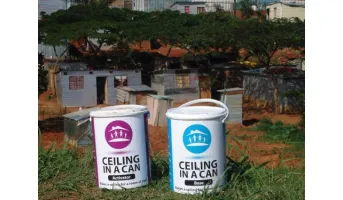
CEILING IN A CAN (CiC) is a patented innovation that aims to create better-living conditions for indigent people by providing an instant ceiling. This fresh technology originating from MUT involves two 5 litre cans containing different polymers. By spreading newspaper on the floor and mixing the two


3
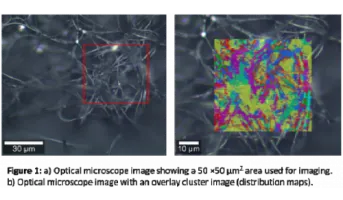
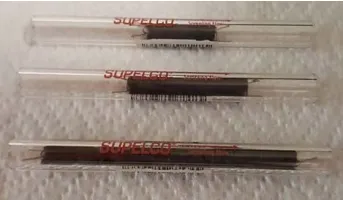
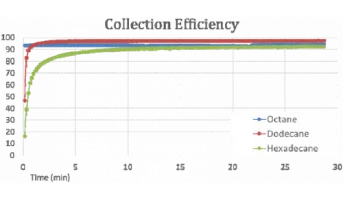
Air quality is a concern worldwide. Consequently, efficient means to monitor air pollutants are critical. Current commercially available carbon-based sorbents used for sampling volatile organic compounds (VOCs) in air typically require solvent extraction prior to analysis, and they cannot be reused
With our society facing challenges related to sustainability i.e. resource depletion and waste accumulation, the future success of the chemical and polymer industries relies on the use of renewable feedstocks. Lignin, one of the main components of non-edible lignocellulosic biomass shows great
A scalable pneumatic cushion features an array of pressure-controlled air cells, each equipped with a pressure sensor for closed-loop control. This allows for precise regulation of pressure in high-risk areas, promoting blood flow and reducing localized pressure. The system uses a microcontroller to
The technology comprises an integrated passive acoustic monitoring system capable of long-term monitoring, capturing high-quality, distinctive sonar sounds from aquatic environments. The acoustic monitoring system, incorporating a hydrophone, a micro-processing board and a mechanical release system
A novel bioreactor system that uses membranes to create a compartmentalised system whereby two or more species can be co-cultured without mixing of species, while ensuring rapid exchange of metabolites and proteins between compartments and shared medium composition. The system operates continuously
The CREDO (CartRidge Extractor DiagnOsis) Device is a device designed to safely and sterilely remove fluid remaining after assay completion from used cartridges (this used cartridge would otherwise be discarded). This fluid can be useful for downstream applications (these downstream tests could be
The humanoid robotics development company technology provides a modular humanoid robotic system designed for use in manufacturing, research, education, healthcare, hospitality, security and surveillance. The modular design makes the humanoid robot easily upgradeable and customisable for various
The technology relates to an innovative process for converting waste cooking oils to biosurfactants that are applicable to various industries. The process utilises a special yeast strain to convert waste into biosurfactant at competitive concentrations. The downstream process includes a bioreactor
The device is a user-guided robot which holds and maneuvers a laparoscope, to assist surgeons in minimal access surgery. It can maneuver the laparoscope with five degrees of freedom, namely pitch, yaw, translation, image rotation, and roll of the telescope.