3
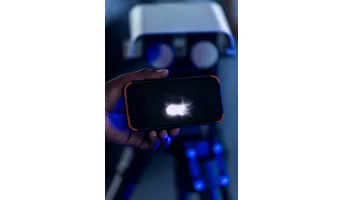
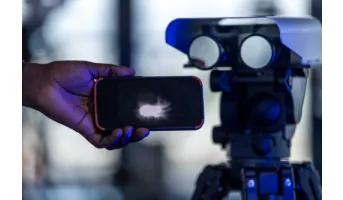
The CSIR has developed a smartphone technology that is used as a detection system for analysing biomolecular assays or chemical reactions. The smartphone is used to capture one or more images of the biomolecular assays, which are processed by way of bespoke hardware and software to provide
3
The CSIR has developed a smartphone technology that is used as a detection system for analysing biomolecular assays or chemical reactions. The smartphone is used to capture one or more images of the biomolecular assays, which are processed by way of bespoke hardware and software to provide
3
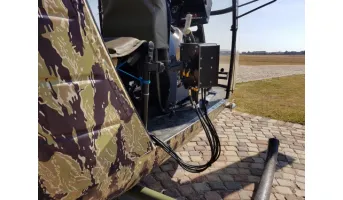
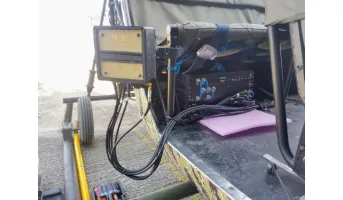
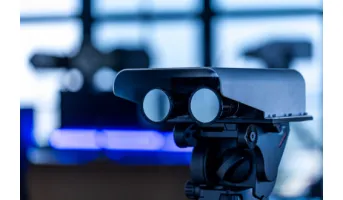
The CSIR has developed the next-generation ground-based surveillance and classification radar that enables automated detection and classification of movement over a wide area, enabling proactive protection of wildlife and other security applications. With the insights gained from Meerkat 1, the CSIR

SThis technology is to recover beer that would have been discarded, it is effective and can easily be incorporated into current brewing technologies as a way of reducing waste and increasing profit. By separating the beer from the spent yeast, and treating it with ultraviolet (instead of heat

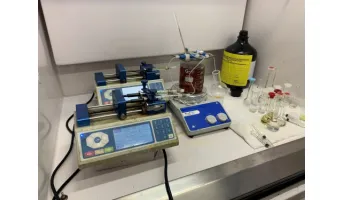
The technology relates to an improved method for reclaiming waste beer from a brewing process. The process ensures the sterilization and re-use of beer that would otherwise be lost in the brewing process due to contamination. The method focuses on recovering beer lost in the fermentation stage

The invention relates to a method of fabricating a commercially viable biodegradable and transparent resistive random-access memory (ReRAM) chip with substantially high (>7 orders of magnitude) resistive switching behaviour using low operating power. The method makes use of a simple and affordable

The invention relates to an automated process for fabricating nano and micro structures using high temperature superconducting quantum interference device (SQUIDS). This method overcomes the high cost and complexity in the manufacturing process of superconductors for a commercial scale or mass

2

CEILING IN A CAN (CiC) is a patented innovation that aims to create better-living conditions for indigent people by providing an instant ceiling. This fresh technology originating from MUT involves two 5 litre cans containing different polymers. By spreading newspaper on the floor and mixing the two

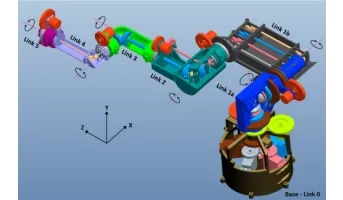
The High Agility Hybrid Serial-Parallel Kinematic Robotic Arm architecture leverages the benefits of serial and parallel kinematic machines while minimising the disadvantages of each. The design is based on the transmission of mechanical power via embedded drivetrains to each joint in the system


3
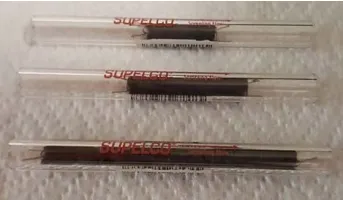
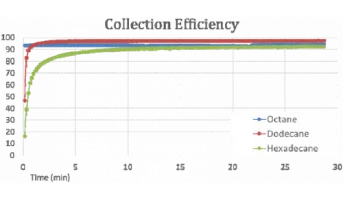
Air quality is a concern worldwide. Consequently, efficient means to monitor air pollutants are critical. Current commercially available carbon-based sorbents used for sampling volatile organic compounds (VOCs) in air typically require solvent extraction prior to analysis, and they cannot be reused
2
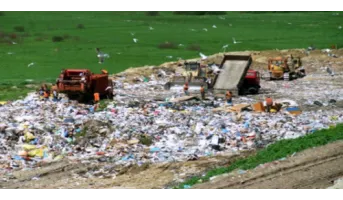
The invention The invention uses plastic waste and Waste Foundry Sand (WFS) to produce building and construction material with a density of between 1700 and 1750 kg/m 3 . The plastic is melted and WFS is used to produce a paste for the moulding of building material. Problem solved Plastics are vital
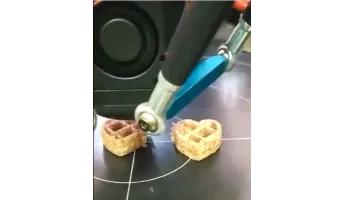
Invention The invention relates to a food ink for use in a 3D printing process for the manufacture of food items, using extrusion-based printing techniques. Problem solved The printer can make foods with elaborate decorations and designs more easily than doing it by hand. It can enhance diversity