

Search results

Understanding why and where humanitarian disasters are likely to occur is a fundamental step in saving lives and promoting sustainable development. The INFORM Risk Index is a global, open-source risk assessment for humanitarian crises and disasters. It can support decisions about prevention, preparedness and response. This layer shows is which class of risk each of the African countries fall, on the basis of the latest INFORM Risk Index. The risk score ranges from 0-10, where 10 is the highest risk. The risk levels are set as follows: LOW = risk score 3.5 and below; MEDIUM = risk score between

Understanding why and where humanitarian disasters are likely to occur is a fundamental step in saving lives and promoting sustainable development. The INFORM Risk Index is a global, open-source risk assessment for humanitarian crises and disasters. It can support decisions about prevention, preparedness and response. This layer presents the latest INFORM Risk Index of the African countries. The risk score ranges from 0-10, where 10 is the highest risk.
Poverty affects billions of people around the globe. On a daily basis, they face low wages and substandard health, education, and living standards. Because of this, poverty must be understood and approached as a multidimensional issue. The Multidimensional Poverty Index (MPI) acknowledges that poverty has many faces. The second dimension in the MIP is the Education dimension. This includes years of schooling and child school attendance. This map shows the percentage contribution of the education dimension to overall poverty. The lower percentages are shown in darker blues while the higher
Understanding why and where humanitarian disasters are likely to occur is a fundamental step in saving lives and promoting sustainable development. The main focus of humanitarian organizations is people. And people affected by recent natural disasters are considered more vulnerable than the rest of the population. As part of the Vulnerability dimension of the INFORM Risk Index (global risk assessment for humanitarian crises and disasters), the "Recent Shocks" indicator identifies the countries that are recovering from humanitarian crisis situation by taking into account the population affected
Understanding why and where humanitarian disasters are likely to occur is a fundamental step in saving lives and promoting sustainable development. The main focus of humanitarian organizations is people. The Vulnerability dimension of the INFORM Risk Index (global risk assessment for humanitarian crises and disasters) addresses the predispositions of a population to be affected by hazard (economic, political and social characteristics of the community). It is assumed that the more developed a country is the better its people will be able to respond to humanitarian needs using their own
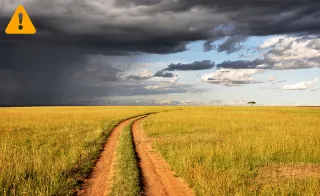
Food crisis response planning can save lives if put in place in a timely manner. To do this, decision makers must be warned of climate extreme events impacting agricultural production. The Anomaly hotSpot of Agricultural Production tool (ASAP) is an online decision support system for early warning about hotspots of agricultural production anomaly (crop and rangeland), developed by the JRC for food security crises prevention and response planning anticipation. This map shows the frequency of ASAP anomaly warnings for rangeland growth for 2004-2018. It highlights the high sensitivity of the main
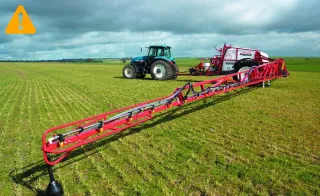
Food crisis response planning can save lives if put in place in a timely manner. To do this, decision makers must be warned of climate extreme events impacting agricultural production. The Anomaly hotSpot of Agricultural Production tool (ASAP) is an online decision support system for early warning about hotspots of agricultural production anomaly (crop and rangeland), developed by the JRC for food security crises prevention and response planning anticipation. This map shows the frequency of ASAP anomaly warnings for crop growth for 2004-2018. It highlights the high sensitivity of the main
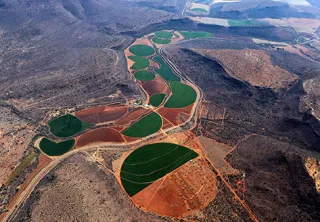
Food crisis response planning can save lives if put in place in a timely manner. To do this, decision makers must be warned of climate extreme events impacting agricultural production. The Anomaly hotSpot of Agricultural Production tool (ASAP) is an online decision support system for early warning about hotspots of agricultural production anomaly (crop and rangeland), developed by the JRC for food security crises prevention and response planning anticipation. This map shows the frequency at which countries were classified as hotspots for agricultural production problems between 2004 and 2018

The working poor are employed people who live in households that fall below an accepted poverty line. While poverty in the developed world is often associated with unemployment, the extreme poverty that exists throughout much of the developing world is largely a problem of employed persons. For these poor workers, the problem is typically one of employment quality. Reducing poverty in line with the SDGs therefore necessitates boosting the employment opportunities and incomes of the working poor – those people who are employed, but who are nevertheless unable to lift themselves and their

Understanding why and where humanitarian disasters are likely to occur is a fundamental step in saving lives and promoting sustainable development. The main focus of humanitarian organizations is people. The Vulnerability dimension of the INFORM Risk Index (global risk assessment for humanitarian crises and disasters) addresses the predispositions of a population to be affected by hazard. It represents economic, political and social characteristics of the community that can be destabilized in case of a hazard event. This layer presents the vulnerability index for each country. The risk score
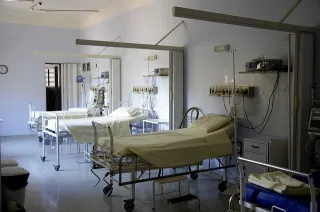
Poverty affects billions of people around the globe. On a daily basis, they face low wages and substandard health, education, and living standards. Because of this, poverty must be understood and approached as a multidimensional issue. The Multidimensional Poverty Index (MPI) acknowledges that poverty has many faces. The first dimension in the MIP is the Health dimension. This includes child mortality and nutrition. This map represents the percentage contribution of the health dimension to overall poverty. The lower percentages are shown in darker reds while the higher percentages are shown as

Percentage of cohort of young people three to five years older than the intended age for the last grade of upper secondary level of education who have completed that level of education. This indicator measures the potential impact of electricity on youth education, that represents a crucial pillar for the development of a country.