Every year, final-year BSc Food Science students at Stellenbosch University undertake a unique and challenging project as part of the New Product Development (NPD) module. This module tasks students with creating innovative food products that address specific consumer or market needs. The products
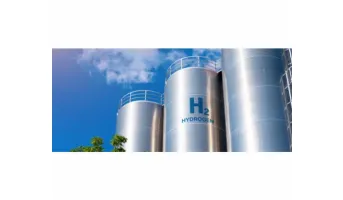
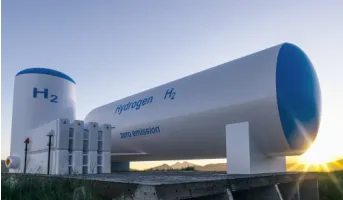
This technology involves a method for generating hydrogen in an electrolysis cell. A proton exchange membrane (PEM) is used to separate anode and cathode chambers of the cell. The space between the anode and the PEM is filled with aqueous sulfuric acid. In use, gaseous sulphur dioxide is fed to the
The Motswadi System is a SIM-card–based technology designed to support parents in protecting their children from cyberbullying and sexting. The SIM card is linked to a mobile application that enables parents to monitor and manage their child’s online activity across mobile phones, tablets, and

Keloid disease represents a significant and growing unmet need in dermatology and surgical care. The disease is characterised by abnormal scar formation that extends beyond the original wound site. Despite the availability of treatments such as surgery, corticosteroid injections, radiotherapy, and
This technology generates hydrogen more efficiently by using sulphur dioxide to reduce electricity consumption. The process converts the chemical energy of sulphur dioxide into hydrogen while partially using excess heat, such as from nuclear power plants, to lower the overall energy required. The