3

Baobab LIMS is an African-led innovation that was developed as part of the B3Africa consortium. It is an affordable sample and laboratory management tool for biobanking that has been implemented in low- and middle-income countries (LMICs), which previously (due in part to financial constraints)

Biosurfactants produced by Pseudomonas aeruginosa SB24 (rhamnolipid congeners), Bacillus amyloliquefaciens ST34 (surfactin and bacillomycin L analogues and homologues) and pigmented (P1) and non-pigmented (NP1) Serratia marcescens strains (serratamolide and glucosamine derivative homologues) were
ImmerseCell is a virtual reality experience (VLE) to teach undergraduate and postgraduate students about key cellular structures with an interactive, narrated, guided experience (Figure 1, Figure 2). The team utilised real-world microscopy data of various key cellular structures in the mammalian
Planktonic or free-living microbes naturally adhere to the sensing surface of the BioTrac system. These biofilms are representative of the physical biofouling that occurs on surfaces in the test environment. The microbes produce carbon dioxide (CO₂) as a byproduct of metabolic activity. The rate of
The toTIL Score is an innovative scoring system designed to predict the likelihood of cancer patients responding to immunotherapy based on the level of tumour-infiltrating lymphocytes (TILs) within the tumour. By evaluating the extent and distribution of TIL infiltration, the toTIL Score provides a
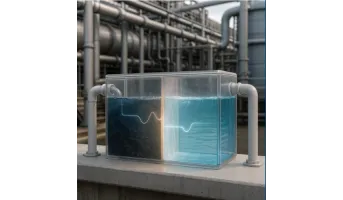
The innovation describes a process for removing lead from a liquid such as contaminated water. The liquid is brought into contact with a PbrD protein which binds lead ions present in the liquid. The bound lead ions can then be recovered, for example as an insoluble salt or compound such as lead