3

Baobab LIMS is an African-led innovation that was developed as part of the B3Africa consortium. It is an affordable sample and laboratory management tool for biobanking that has been implemented in low- and middle-income countries (LMICs), which previously (due in part to financial constraints)

2

South Africa harbours the highest number of rape incidents in the world, and sexual assault and rape cases in the entire SADC region are estimated at a minimum of 55 000 cases per year. Crime scene investigations utilise DNA technology on a regular basis. In cases of rape or sexual abuse, male

Fly ash is a waste by-product generated by coal-fired electricity power stations. Due to its environmental impact, there is a growing need for safe and sustainable methods of fly ash disposal. One effective approach is the beneficiation of fly ash through the production of zeolites—a class of
The collection and preservation of biological material for further DNA and RNA analysis are critical to many biomedical fields, from medical diagnostics to forensics and biodiversity conservation. The Forensic DNA lab at the University of the Western Cape has developed a novel, proprietary DNA
Surfactants are amphipathic molecules with both hydrophilic and hydrophobic moieties that partition preferentially at the interface between fluid phases, such as oil/water or air/water interfaces. Such characteristics confer excellent detergency, emulsifying, foaming, and dispersing traits, which
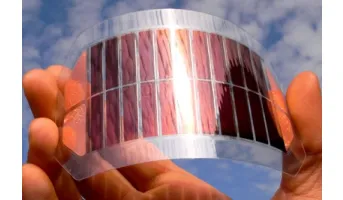
The North-West University (NWU) has pioneered the novel use of Europium-Tellurium-Oxide (ETO) in the production of clean energy. ETO is a light-chargeable catalyst material that exhibits sustained and enhanced activity after light excitation has ended. Its unique characteristics present an
This technology involves a method for generating hydrogen in an electrolysis cell. A proton exchange membrane (PEM) is used to separate anode and cathode chambers of the cell. The space between the anode and the PEM is filled with aqueous sulfuric acid. In use, gaseous sulphur dioxide is fed to the
This technology utilises a microchannel reactor for the decomposition of ammonia, comprising two chambers: one for exothermic combustion of ammonia to generate heat. A second chamber of the reactor with a second catalyst receives a second stream of ammonia to provide endothermic decomposition of the
The North-West University (NWU) has developed and patented a method for producing hydrogen via hydrolysis, using an activated aluminium compound. Technology Benefits: Aluminum also can be recycled after the hydrogen production process. Hydrogen can be produced under high pressure. By-products are
3
A novel bioreactor system that uses membranes to create a compartmentalised system where two or more species can be co-cultured without mixing of species, while ensuring rapid exchange of metabolites and proteins between compartments and shared medium composition. The system operates continuously
The recombinant LSDV-BCoV vaccine is an innovative dual vaccine designed to provide simultaneous protection against Lumpy Skin Disease Virus (LSDV) and Bovine Coronavirus (BCoV). It utilises a recombinant LSDV vector to express key BCoV antigens, including the spike (S1 and S2 subunits) and
The CSIR has established a bioconversion platform that focuses on alternative pathways for chemical production. The platform is geared towards local production and replacing imports of bio-based platform chemicals, including lactic acid. This shift will have a direct impact on the bioeconomy. The