3

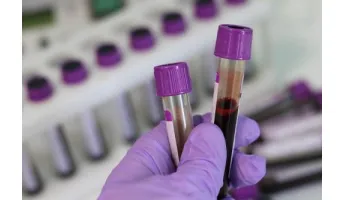
Baobab LIMS is an African-led innovation that was developed as part of the B3Africa consortium. It is an affordable sample and laboratory management tool for biobanking that has been implemented in low- and middle-income countries (LMICs), which previously (due in part to financial constraints)

The technology relates to an application that allows the efficient delivery of groceries ordered online by using a car lift service from general road drivers. Unlike existing delivery applications, this platform does increase the reliance on dedicated delivery vehicles but makes use of a network of

The technology relates to a new generation of telecommunications and data processing technology with improved wavelength sensitivity in the visible and near-infrared wavelengths range rather than microwave communication in 2–4 GHz. The technology provides the realisation of optical sources (LEDs)

A mobile application to facilitate the efficient delivery of artemisinin-based combination therapies (ACTs) which are dependent on a multi-embedded supply chain coordination for the distribution of malaria drugs. The distribution of these is hampered by a lack of coordination among stakeholders

An engineer at Nelson Mandela University has developed a secure storage trolley for tablet computers. The storage also has a charging component which allows for them to be charged while safely stored.

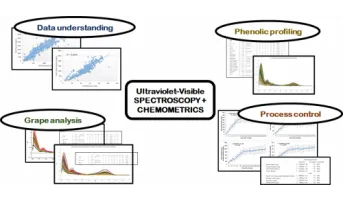
PhenoLAB is an online web-based analyses platform and database for wine producers. PhenoLAB incorporates highly accurate, extensive and robust analyses methods based on absorbency values for determining tannins, colour density, anthocyanins and total phenolics levels in grapes, fermenting must and

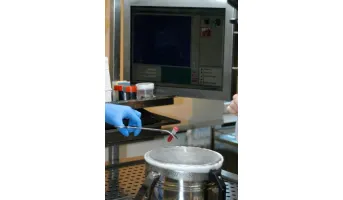
Many filtration systems overlook a major issue for oxygen-sensitive liquids like wine: oxidation during transfer and filtration. Even small amounts of oxygen can degrade quality. This apparatus provides a closed, inert-gas-pressurized filtration system that keeps wine fully protected from oxygen
In its current state, the software produces the key technical feasibility metrics and graphs, which help the user answer the questions of requirements and viability for a fleet. Although the software is free and open-source, it is a terminal/command-line application which requires technical IT
The technology relates to an innovative process for converting waste cooking oils to biosurfactants that are applicable to various industries. The process utilises a special yeast strain to convert waste into biosurfactant at competitive concentrations. The downstream process includes a bioreactor
The Stellenbosch Endometriosis Quality of Life measure is a questionnaire that has 25 questions and covers 8 different dimensions. Comprehensive Assessment: The 8 critical dimensions assessed by SEQOL, include psychological well-being, vitality, and sexual and reproductive functioning. Patient
During beer production, around 2–4% excess yeast is generated and removed, causing significant beer loss of up to 400 mL for every litre of yeast discarded. Since beer production is highly water-intensive (about 3.5 L of water per litre of beer), this loss also represents substantial wasted water
Stellenbosch University (SU) hosts a diverse portfolio of innovative technologies developed by leading researchers across multiple faculties. These technologies span sectors such as renewable energy, biotechnology, agriculture, engineering, health sciences, materials science, and digital solutions