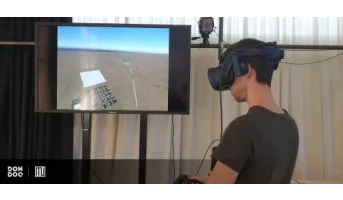
Dondoo Studios is an augmented intelligence software development company that specialises in building intuitive and engaging training and operational solutions in Virtual Reality and Augmented Reality experience, Mobile Applications and 3D Animation. Our mission is to provide an innovation-oriented