Fly ash is a waste by-product generated by coal-fired electricity power stations. Due to its environmental impact, there is a growing need for safe and sustainable methods of fly ash disposal. One effective approach is the beneficiation of fly ash through the production of zeolites—a class of
The cost of building materials contributes significantly to overall construction costs, with ordinary Portland cement (OPC) being one of the main components. The production of OPC is not environmentally friendly. It is energy-intensive, uses natural resources such as limestone, and produces high
This technology utilises a microchannel reactor for the decomposition of ammonia, comprising two chambers: one for exothermic combustion of ammonia to generate heat. A second chamber of the reactor with a second catalyst receives a second stream of ammonia to provide endothermic decomposition of the
The North-West University (NWU) has developed and patented a method for producing hydrogen via hydrolysis, using an activated aluminium compound. Technology Benefits: Aluminum also can be recycled after the hydrogen production process. Hydrogen can be produced under high pressure. By-products are
3
A novel bioreactor system that uses membranes to create a compartmentalised system where two or more species can be co-cultured without mixing of species, while ensuring rapid exchange of metabolites and proteins between compartments and shared medium composition. The system operates continuously
As a startup construction company in Limpopo, you may face the following challenges during the registration process: 1. Bureaucratic red tape: Complex regulatory requirements and lengthy processing times. 2. Compliance with industry regulations: Meeting construction industry standards, licenses, and
The CSIR has established a bioconversion platform that focuses on alternative pathways for chemical production. The platform is geared towards local production and replacing imports of bio-based platform chemicals, including lactic acid. This shift will have a direct impact on the bioeconomy. The

Floatation Device is a system that acts as an anchor and elevator for equipment, shacks and mobile houses that would otherwise be affected by flooding. During the rainy season, the Floatation Device elevates the items away above the stormwater and provides stability to secure items from damage or


2

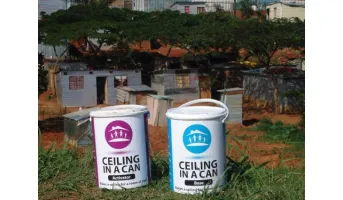
CEILING IN A CAN (CiC) is a patented innovation that aims to create better-living conditions for indigent people by providing an instant ceiling. This fresh technology originating from MUT involves two 5 litre cans containing different polymers. By spreading newspaper on the floor and mixing the two

3
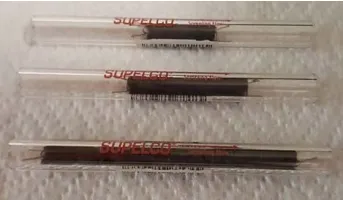
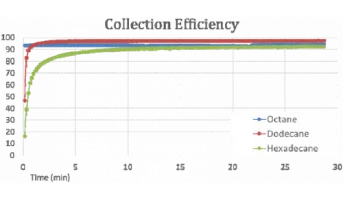
Air quality is a concern worldwide. Consequently, efficient means to monitor air pollutants are critical. Current commercially available carbon-based sorbents used for sampling volatile organic compounds (VOCs) in air typically require solvent extraction prior to analysis, and they cannot be reused

Improved Alkaline-Activated Slag Composition: Green Mortar Solution The invention relates to the development of both an improved alkaline-activated slag (AAS) composition as well as a dry mixed ready-to-use alkaline-activated slag (AAS) composition. The ready-to-use AAS can be pre-packed into bags

2
The invention The invention uses plastic waste and Waste Foundry Sand (WFS) to produce building and construction material with a density of between 1700 and 1750 kg/m 3 . The plastic is melted and WFS is used to produce a paste for the moulding of building material. Problem solved Plastics are vital