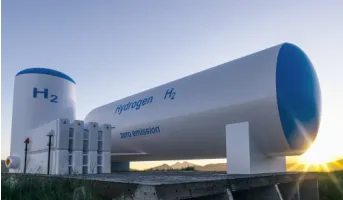
This technology involves a method for generating hydrogen in an electrolysis cell. A proton exchange membrane (PEM) is used to separate anode and cathode chambers of the cell. The space between the anode and the PEM is filled with aqueous sulfuric acid. In use, gaseous sulphur dioxide is fed to the
This technology utilises a microchannel reactor for the decomposition of ammonia, comprising two chambers: one for exothermic combustion of ammonia to generate heat. A second chamber of the reactor with a second catalyst receives a second stream of ammonia to provide endothermic decomposition of the
The North-West University (NWU) has developed and patented a method for producing hydrogen via hydrolysis, using an activated aluminium compound. Technology Benefits: Aluminum also can be recycled after the hydrogen production process. Hydrogen can be produced under high pressure. By-products are

A system which harvests thermal energy from various sources such as sunlight, cars, power plants, factories and other industries, and converts it into electricity. The harvested heat energy is stored in a storage tank, with water used as an energy storage medium. This then flows along a gradient to


Power plant efficiency is generally determined by projected electricity tariffs and power plant life cycle costs during the design phase. This technology can be installed below wet cooling tower fills to significantly enhance the thermal performance of the cooling towers, resulting in a reduction in