SThis technology is to recover beer that would have been discarded, it is effective and can easily be incorporated into current brewing technologies as a way of reducing waste and increasing profit. By separating the beer from the spent yeast, and treating it with ultraviolet (instead of heat


The technology relates to an improved method for reclaiming waste beer from a brewing process. The process ensures the sterilization and re-use of beer that would otherwise be lost in the brewing process due to contamination. The method focuses on recovering beer lost in the fermentation stage

The invention relates to a method of fabricating a commercially viable biodegradable and transparent resistive random-access memory (ReRAM) chip with substantially high (>7 orders of magnitude) resistive switching behaviour using low operating power. The method makes use of a simple and affordable

The invention relates to an automated process for fabricating nano and micro structures using high temperature superconducting quantum interference device (SQUIDS). This method overcomes the high cost and complexity in the manufacturing process of superconductors for a commercial scale or mass

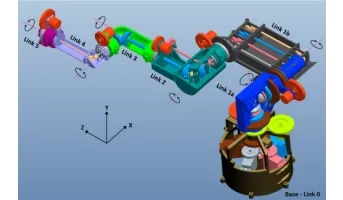
The High Agility Hybrid Serial-Parallel Kinematic Robotic Arm architecture leverages the benefits of serial and parallel kinematic machines while minimising the disadvantages of each. The design is based on the transmission of mechanical power via embedded drivetrains to each joint in the system

3
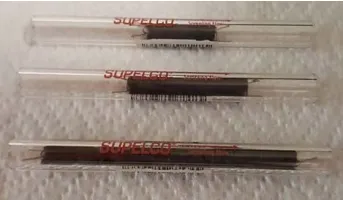
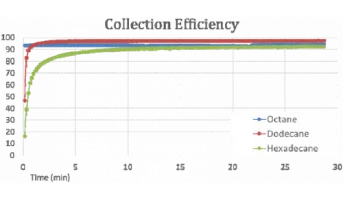
Air quality is a concern worldwide. Consequently, efficient means to monitor air pollutants are critical. Current commercially available carbon-based sorbents used for sampling volatile organic compounds (VOCs) in air typically require solvent extraction prior to analysis, and they cannot be reused
Prosopis Glandulosa commonly referred to as Honey Mesquite, has been discovered to strengthen skeletal muscle and boost healing of contused skeletal muscle. The plant is easy and cheap to cultivate. Harvesting of the plant will not deplete any natural resources. Tests on rat models scientifically
With our society facing challenges related to sustainability i.e. resource depletion and waste accumulation, the future success of the chemical and polymer industries relies on the use of renewable feedstocks. Lignin, one of the main components of non-edible lignocellulosic biomass shows great
This technology introduces a new class of zwitterionic polymers designed to gently break apart lipid bilayers and form stable lipid nanodiscs. These nanodiscs can capture and isolate membrane proteins in an environment that closely mimics their natural state. At the core of the invention is a
This technology makes it possible to grow tiny, three-dimensional (3D) pieces of human heart tissue, called cardiac spheroids. It models the functions of a real heart and recreates key features of cardiometabolic disease such as insulin resistance and high fat levels. What makes this technology a
A biological solution using yeast strains which naturally remove chitinase enzymes responsible for haze formation. Adding these yeast cells to wine or grape must results in a crystal-clear product without the need for bentonite or synthetic additives.
This technology introduces a diagnostic method and kit that detects inflammatory diseases by measuring fibrin amyloid microclots (FAM) and Neutrophil Extracellular Traps (NETs) found in patient blood. These two components often bind together to form microclot-associated NETs (MiNETs), which are