This technology involves a method for generating hydrogen in an electrolysis cell. A proton exchange membrane (PEM) is used to separate anode and cathode chambers of the cell. The space between the anode and the PEM is filled with aqueous sulfuric acid. In use, gaseous sulphur dioxide is fed to the

The invention relates to the use of maghemite nanoparticles at pH < 5 to remove sulphate, manganese, copper, nickel, cobalt and zinc metal ions from acid mine drainage (AMD). In a conventional way of AMD treatment, these pollutants are only removed at higher pH and requires costly alkaline chemicals


Interferon Induced proteins with Tetratricopeptide repeats (IFIT) proteins are a family of antiviral proteins that have been shown to confer immunity against viral infection. IFIT proteins have been shown to be conserved in vertebrates, with homologues having been identified in several organisms

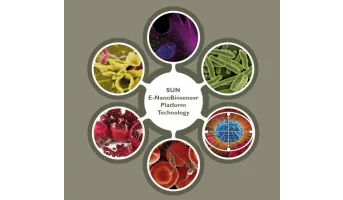
The need for accurate, rapid and sensitive detection of bio-molecules is becoming ever more pressing. The aforementioned are needed in several industries, ranging from clinical diagnostics and screening to assessing microbial contamination in water and even plant disease diagnostics, to name just a

Power plant efficiency is generally determined by projected electricity tariffs and power plant life cycle costs during the design phase. This technology can be installed below wet cooling tower fills to significantly enhance the thermal performance of the cooling towers, resulting in a reduction in
Advances in diagnostic technologies have expanded the use of saliva as a valuable testing medium. Saliva collection is simple, non-invasive, and avoids many of the challenges associated with blood or sputum sampling, making it highly suitable for point-of-care and community-based screening. As part