Using a metallurgical waste product, the invention consists of a method to treat acidic water from mining sites. The treated water can be used for industrial applications or, with additional steps, be treated for potable usage. Water is currently a scarce resource in South Africa, and the depletion


The invention consists of a unique hinge mechanism as an alternative to existing spectacle hinge configurations. This mechanism facilitates the customisation of spectacle frames while also reducing costs associated with customisation. The majority of eyewear frames uses hinging systems that are

2

A reusable sanitary pad that is uniquely designed to collect, retain and dispose of menstrual fluid. The reusable pad is used externally, it is hygienic and easy to clean. The most commonly used and commercially available menstrual hygiene products in South Africa are tampons and sanitary pads. The

The invention relates to a process for producing extracts with valuable bioactive compounds from waste pomace generated during olive oil processing, which in return also minimises the environmental burden generated by the waste products. The resulting olive extracts are a source of Vitamin E

3
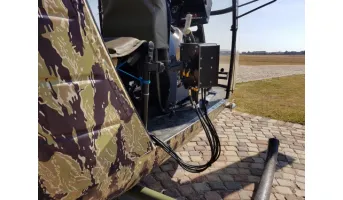
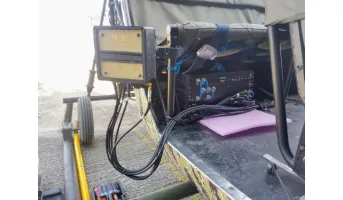
Radar technology is well suited to solutions such as those to protect helicopters. The CSIR was approached by SAAB Grintek Defence, a leading supplier of aircraft self-protection suites, to collaboratively develop a radar-based hostile fire indicator sensor to add to its existing platform protection
3
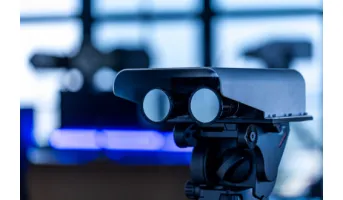
A camera, roughly the size of that used for CCTV, can locate gunshots by detecting potassium emissions from the muzzle flash. Dubbed, ‘The K-line camera’ (K being the symbol for potassium on the periodic table), it can be integrated into a CCTV network in a hotspot area for gun-related crime
Interferon Induced proteins with Tetratricopeptide repeats (IFIT) proteins are a family of antiviral proteins that have been shown to confer immunity against viral infection. IFIT proteins have been shown to be conserved in vertebrates, with homologues having been identified in several organisms

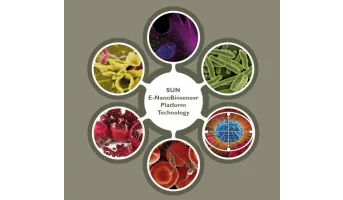
The need for accurate, rapid and sensitive detection of bio-molecules is becoming ever more pressing. The aforementioned are needed in several industries, ranging from clinical diagnostics and screening to assessing microbial contamination in water and even plant disease diagnostics, to name just a

With our society facing challenges related to sustainability i.e. resource depletion and waste accumulation, the future success of the chemical and polymer industries relies on the use of renewable feedstocks. Lignin, one of the main components of non-edible lignocellulosic biomass shows great