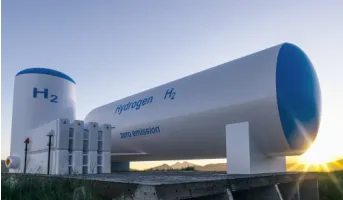
The North-West University (NWU) has developed and patented a method for producing hydrogen via hydrolysis, using an activated aluminium compound. Technology Benefits: Aluminum also can be recycled after the hydrogen production process. Hydrogen can be produced under high pressure. By-products are
The technology relates to an innovative process for converting waste cooking oils to biosurfactants that are applicable to various industries. The process utilises a special yeast strain to convert waste into biosurfactant at competitive concentrations. The downstream process includes a bioreactor
Given the ongoing global drive for sustainable development, the chemical and polymer industries are investigating alternative green and renewable sources for their raw materials. This technology addresses how a waste product from the agricultural and agroforestry industries can be valorized through
This technology generates hydrogen more efficiently by using sulphur dioxide to reduce electricity consumption. The process converts the chemical energy of sulphur dioxide into hydrogen while partially using excess heat, such as from nuclear power plants, to lower the overall energy required. The