Fly ash is a waste by-product generated by coal-fired electricity power stations. Due to its environmental impact, there is a growing need for safe and sustainable methods of fly ash disposal. One effective approach is the beneficiation of fly ash through the production of zeolites—a class of
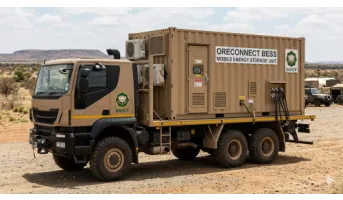
The North-West University (NWU) has pioneered the novel use of Europium-Tellurium-Oxide (ETO) in the production of clean energy. ETO is a light-chargeable catalyst material that exhibits sustained and enhanced activity after light excitation has ended. Its unique characteristics present an
2
The invention relates to a novel process of partial oxidation of un-agglomerated chromite ore in ferrochrome production processes. The process includes the steps: Providing a source of un-agglomerated chromite ore; subjecting the source of un-agglomerated chromite ore to pre-oxidation at a
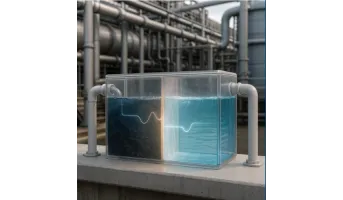
The invention relates to the use of maghemite nanoparticles at pH less than 5 to remove sulphate, manganese, copper, nickel, cobalt and zinc metal ions from acid mine drainage (AMD). In conventional AMD treatment, these pollutants are only removed at higher pH, and that requires costly alkaline
3
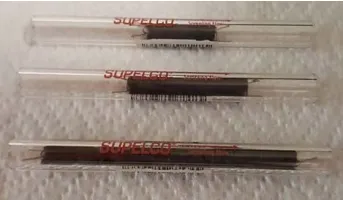
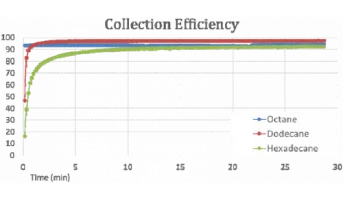
Air quality is a concern worldwide. Consequently, efficient means to monitor air pollutants are critical. Current commercially available carbon-based sorbents used for sampling volatile organic compounds (VOCs) in air typically require solvent extraction prior to analysis, and they cannot be reused

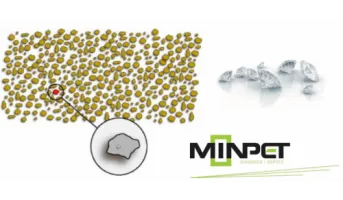
A new technology that provides the first ever high-throughput 3D imaging of locked diamonds within kimberlite rocks. Locked diamonds of up to 10cm in diameter can now be located within rocks before the crushing process begins. Conventional sorting as well as other more recent sorting technologies


Biosurfactants produced by Pseudomonas aeruginosa SB24 (rhamnolipid congeners), Bacillus amyloliquefaciens ST34 (surfactin and bacillomycin L analogues and homologues) and pigmented (P1) and non-pigmented (NP1) Serratia marcescens strains (serratamolide and glucosamine derivative homologues) were
Planktonic or free-living microbes naturally adhere to the sensing surface of the BioTrac system. These biofilms are representative of the physical biofouling that occurs on surfaces in the test environment. The microbes produce carbon dioxide (CO₂) as a byproduct of metabolic activity. The rate of
The innovation describes a process for removing lead from a liquid such as contaminated water. The liquid is brought into contact with a PbrD protein which binds lead ions present in the liquid. The bound lead ions can then be recovered, for example as an insoluble salt or compound such as lead
CloudHarvest ™ is an innovative solution that tackles the rising frequency of droughts and water shortages caused by climate change. It offers a sustainable way to influence weather patterns and water availability in vulnerable regions. During severe droughts, cloud seeding has been proven as an
AquaCarbon™ introduces a high-performance membrane technology designed for membrane distillation desalination. The innovation integrates multi-walled carbon nanotubes (MWCNTs) into polyvinylidene fluoride (PVDF) membranes to create a robust, highly hydrophobic, and porous structure capable of
The AquaHarvest™ System is an innovative water generation technology that produces liquid water directly from air. It uses an air current generator and a specially designed flow body with a constricted section that cools incoming air to near its dew point. As the air exits the outlet, water